Column · @tysonjnji865
Just How Is Urinary Incontinence Connected To Menopause?
Menopause And Incontinence
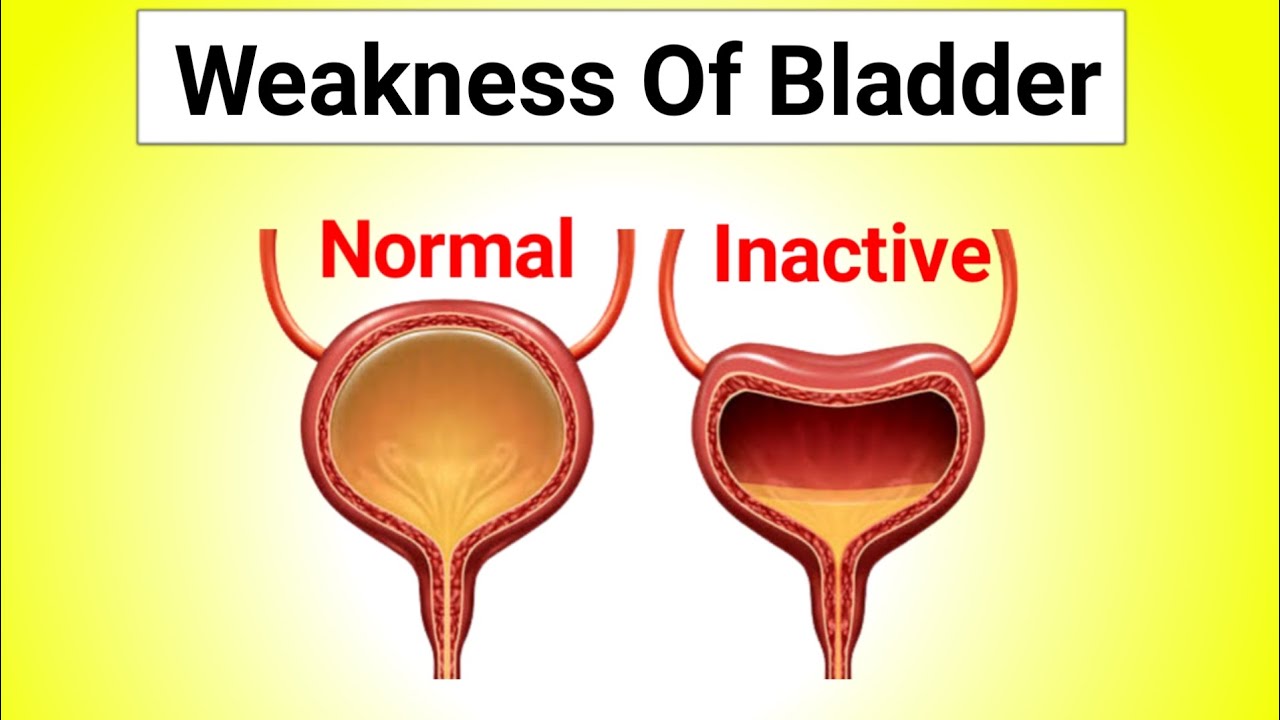
Women have unique health and wellness events, such as pregnancy, childbirth, and menopause, that may affect the urinary system system and the bordering muscle mass. The pelvic floor muscles that sustain the bladder, urethra, uterus (womb), and bowels might come to be weak or harmed. When the muscles that support the urinary system tract are weak, the muscles in the urinary tract need to work more difficult to hold urine till you are ready to pee. This added tension or stress on the bladder and urethra https://violetmetric.com/s/JlR4ODwvz4B_BRTkZmxTp can trigger urinary incontinence or leak. Urinary urinary incontinence is the spontaneous loss of bladder control, implying pee leaks when you do not plan it to. It can range from periodic light leakage when coughing or sneezing to an unexpected, intense desire to urinate that's tough to control.Why Does Menopause Increase The Danger Of Bladder Leaks?
Nerve damage can interrupt signals from your bladder to your brain so you do not experience need to urinate. If you have menopause along with one of the following problems, your risk of creating UI rises. Advise Urinary incontinence is a lot more obvious and causes ladies to lose control entirely or as well promptly. They really feel need to go rather unexpectedly and are not able to reach a washroom in time.
- Infections of your urinary system system or bladder might create short-lived UI.
- If you have urinary system incontinence, you can make an appointment with your primary care provider, your OB/GYN, or a nurse specialist.
- If you're ready to look for medical treatments for your urinary incontinence, there are a couple of clinical treatments readily available.
Just How Do I Do Kegel Workouts?
At Noom, we're devoted to offering health and wellness information that's based in dependable science and expert testimonial. Our material is produced with the support of qualified professionals and based on well-established study from trusted medical and scientific companies. Find out more about the experts behind our content on our Wellness Specialist Group web page. As you age, your bladder sheds its capacity to broaden, which suggests the bladder fills frequently, and it ends up being harder to press the muscles to empty the bladder totally. Talk with your physician if you believe your medication is causing you issues. The reason for perimenopause is the winding down of ovarian function and Bladder training your ovaries creating much less estrogen and testosterone.
Also, like all muscular tissues, the bladder and urethra muscle mass shed some of their strength as you grow older. This implies you may not be able to hold as much pee as you get older. A rectal prolapse takes place when part of your anus slips out of area and might also drop out of your rectum. While this condition is uncommon, affecting just about 0.5% of individuals, females over the age of 50, specifically those who have actually had numerous pregnancies, are probably to ... In perimenopause, the ovaries progressively quit functioning and our estrogen degrees begin to nose-dive to prepare for completion of our reproductive years.Preventative Methods And Way Of Living Adjustments